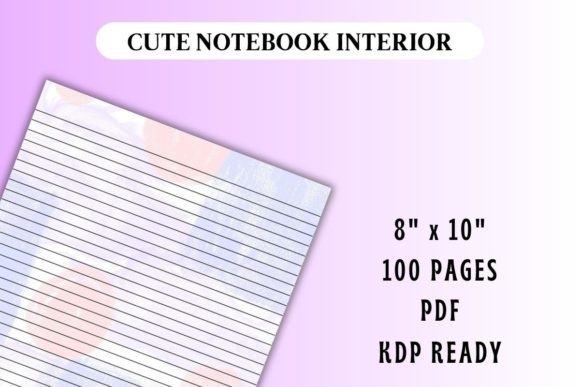
Artful Pages, Real Impact: Exploring Abstract Watercolor Journal Interior 7
Most low-content notebooks live and die by their covers. But anyone who has spent time designing, publishing, or simply using a journal knows that the inside matters just as much. That first moment of opening a fresh notebook—seeing the pages, feeling the rhythm of the layout—sets the tone for everything that follows. Abstract Watercolor Journal Interior 7 is built around this exact insight. It’s a ready-to-upload digital interior with 60 distinct PDF files, every one of them containing 100 pages at 8 x 10 inches. No physical product, no shipping delays. You download, you format your cover, and you publish on KDP or any other print-on-demand platform.
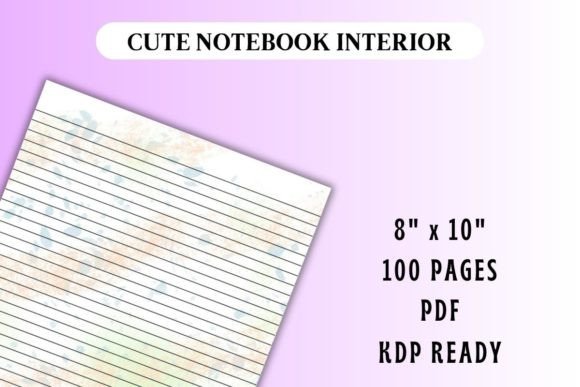
What makes this interior stand out isn’t some clever layout trick or a niche grid system. It’s the atmosphere. Each page carries a subtle, flowing abstract watercolor presence—think of soft pigment blooms, gentle color bleeding, and organic shapes that feel both spontaneous and carefully composed. The result is a journal interior that feels less like a manufactured product and more like a thoughtfully curated creative space. For independent publishers, small-batch stationery brands, and content creators looking to elevate a simple notebook into a premium product, that emotional resonance is everything.
The Visual DNA of Abstract Watercolor Journal Interior 7
Watercolor as a medium brings a specific kind of warmth. Unlike flat vector graphics or high-contrast geometric patterns, watercolor sits on the page with a delicate transparency. In this interior, the washes are layered with restraint—never overwhelming the writing area, always present as a soft gesture along the edges or woven into the headers and page dividers. You’ll notice muted mineral tones, faint blooms of indigo, blush, and sage, and an almost tactile sense of paper and pigment interacting.
The design leans into modern abstraction rather than literal floral motifs or seasonal themes. This is a huge advantage for a publisher. A rose-gold mandala might corner you into a specific audience, but an abstract wash remains open to interpretation. It appeals to creative professionals, journaling enthusiasts, mindfulness practitioners, and even corporate gift planners who want something polished but not stiff. The personality is calm, contemplative, and artistically agile—never fussy, never flat.
Where This Interior Design Works Best
Think beyond the generic lined notebook. Because the watercolor treatment is abstract and intentionally neutral, it flexes into a wide range of low- and no-content products. Here are some places where this interior really earns its keep:
- Guided journals — Add your own prompts on the pages, and let the watercolor accents serve as gentle visual cues between sections.
- Sketchbooks and art logs — Artists often prefer a minimal, inspiring backdrop. The abstract washes can turn a blank page into an invitation to create.
- Daily planners and habit trackers — The organic feel softens the rigidity of bullet grids and time blocks, making the planning process feel more human.
- Recipe books and memory keepers — Food photography and handwritten notes pop beautifully against subtle, atmospheric backgrounds.
- Affirmation and wellness notebooks — Calm, flowing design aligns naturally with mindfulness and self-care branding.
This interior also works seamlessly for those offering multiple trim sizes via KDP, as the 8x10-inch format is a solid standard that fits many cover templates and design styles. Because you get 60 variations, you can build a whole product line—perhaps a morning pages journal, a dream diary, and a bullet journal—each with a slightly different watercolor treatment while maintaining a cohesive brand identity.
Building Brand Consistency Without a Design Team
If you’re a solo publisher, a coach who sells branded journals, or a small shop owner dipping into print-on-demand, maintaining a consistent aesthetic across products is hard. You might cobble together interiors from different sources, and the results can feel disjointed. Abstract Watercolor Journal Interior 7 solves that problem by giving you a family of designs that share DNA. The color temperature, the brushstroke style, the layout logic—these all repeat with variation across the 60 files.
This kind of visual consistency signals professionalism. When a customer receives one of your journals, loves the interior, and then buys another title from you, they’ll recognize the quality instantly. That recognition builds trust. It’s the same principle behind a strong brand identity in graphic design or packaging: repeated but refreshed touches that make the product feel like it comes from a single, intentional source.
Adapting to Your Niche’s Expectations
Not every audience wants the same level of creative expression. A corporate client might prefer a very subtle wash, just a ghost of color near the page numbers. A craft community might love a more expressive splash that extends into the margin. Because the PDF files are ready to upload as-is, you have the freedom to select which interior matches a specific market. No need to edit, no need to hire a designer to tweak the files. You just pick the one that feels right for that particular title and audience.
The Readability Equation: Where Atmosphere Meets Function
A common worry with decorative interiors is legibility. If the watercolor background competes with handwriting or printed prompts, the journal becomes frustrating to use. The designers behind this interior clearly understood that tension. The washes are calibrated to sit behind the writing space without intruding. Lined pages maintain a clean, crisp rule; dot grids stay crisp; blank pages allow the watercolor to frame rather than fill. The result is a layout where the visual hierarchy remains clear—text first, artistic accent second.
For publishers, this means fewer returns and better reviews. A customer who opens the journal and finds it comfortable to write in, day after day, is far more likely to leave positive feedback. That’s not just a design consideration; it’s a business asset. When you think about real-world use—early morning journaling, rushed meeting notes, reflective evening writing—the interior needs to support that rhythm, not interrupt it. This one gets that balance right.
Practical Guidance for New and Experienced Publishers
If you’re just starting with KDP or another print-on-demand service, the upload process can feel intimidating. Each PDF in this pack is formatted to meet standard requirements: 8 x 10 inches, 100 pages, no bleed concerns that would throw off your margins. You simply upload the file as the interior, add your cover, set your pricing, and go live. No extra layout software needed unless you plan to add your own text overlays separately.
For experienced publishers who want to push things further, consider these pairings:
- Cover design synergy — Pick up one or two colors from the interior watercolor and use them in your cover typography or background. This creates a seamless inside-outside experience.
- Font selection — Pair the organic interior with a clean sans serif font on the cover for contrast, or lean into the artistic vibe with a handwritten font for the title. The watercolor texture gives you permission to be expressive without becoming illegible.
- Paper choice (when using other POD services) — Some platforms let you select paper stock. A cream or subtly textured paper can amplify the watercolor’s tactile feel, making the final product feel more like an artisan purchase.
- Niche alignment — If you’re creating a memory book for new parents, select the PDF with the softest, most nurturing washes. A fitness tracker? Pick one with slightly bolder, more energetic color splashes. The variation is your tool.
Why Distinctive Interiors Drive Better Sales
Amazon and other marketplaces are flooded with identical-looking notebooks. Black cover, white lined pages. Competitors can easily undercut on price. But when your interior is genuinely beautiful and unique—something a customer can’t find in every other search result—you shift the conversation from price to value. A journal interior like Abstract Watercolor Journal Interior 7 acts as a differentiator that attracts the kind of buyer who cares about aesthetics and is willing to pay slightly more for a product that feels special.
And here’s a subtle but powerful behavioral point: people share beautiful things. A customer who buys your watercolor journal and posts a photo of an open spread on social media is doing your marketing for you. That organic reach feeds back into your brand, pulling in more customers who want that same visual feel. You’re not just selling paper; you’re selling an experience that people want to show others.
Making It Your Own Without Heavy Lifting
Some low-content interiors force you to spend hours in design software tweaking elements that should just work out of the gate. That friction can delay your publishing schedule and eat into your margins. Abstract Watercolor Journal Interior 7 respects your time. The 60 files are finished, polished, and production-ready. You can treat them as your base inventory—mix and match with different covers for different seasons, bundle them into gift sets, or release them as a series under a single brand name. The heavy creative lifting is already done. What’s left for you is the strategy, the positioning, and the connection with your audience.
And because the product is digital, you never run out of stock. No inventory, no minimum print runs, no storage issues. That’s an appealing model for entrepreneurs, coaches, bloggers, and content creators who want to offer physical products without the physical logistics headaches. Upload the file, and the print-on-demand infrastructure handles the rest.
Inside the Pack: Variety That Opens Doors
Sixty PDF files might sound like a lot, but it’s a toolbox. Each one contains those 100 pages, but the watercolor placement, intensity, and color palette shift. Some versions are extremely subtle, with the faintest suggestion of pigment along the outer edges of the page. Others are more confident, with washes that bleed slightly into the header area or create a frame around the text block. This variety means you can serve different moods, seasons, and buyer personas without ever starting from scratch. A winter release might use the cooler-toned PDFs, while a spring collection taps into the brighter, more floral-adjacent abstracts.
The 8 x 10 format is deliberate. It’s large enough to feel substantial—a journal that invites expansive writing, sketching, or planning—without being cumbersome to ship or hold. The 100-page count hits a sweet spot between perceived value and comfortable thickness, keeping the spine manageable while still offering plenty of space for the user.
Stepping Into a More Creative Publishing Chapter
Many low-content publishers get stuck in a cycle of reusing the same interiors, the same plain lines, the same basic structure. It’s safe, but it rarely grows a brand. Adding an interior like this one to your lineup is a low-risk way to test a more artistic direction. You don’t need to overhaul your entire catalog. Try one journal, watch the response, and let your customers tell you what works. You might find that the abstract watercolor aesthetic opens doors to wholesale inquiries, boutique stationery partnerships, or a dedicated fan base that eagerly awaits your next release.
The best part is that all of this happens with a simple digital download. Abstract Watercolor Journal Interior 7 turns what could be a complicated design project into a straightforward publishing step—one that gives your books a distinct visual signature, speaks to buyers who value artistry, and helps you build a brand that’s recognizable and trusted in a crowded market. No fluff, no wasted complexity, just a refined interior ready to do the heavy lifting for your next title.