Why a Ready-to-Publish Nurikabe Puzzle Book Is Your Next Smart Move on KDP
Puzzle lovers are always hunting for the next mental challenge, and right now there’s a quiet revolution happening around Japanese logic games. Among them, Nurikabe has carved out a special place. It’s visually satisfying, deceptively simple to learn, and endlessly replayable. For independent publishers and side-hustlers using Kindle Direct Publishing, finding a high-quality interior that actually respects the solver’s experience can be exhausting. That’s where the Nurikabe Puzzle Book for KDP Part 09 changes everything. This isn’t just another collection of puzzles—it’s a complete publishing toolkit designed to cut down your prep time and help you launch something people genuinely want to solve.
What Exactly Is the Nurikabe Puzzle Book for KDP Part 09?
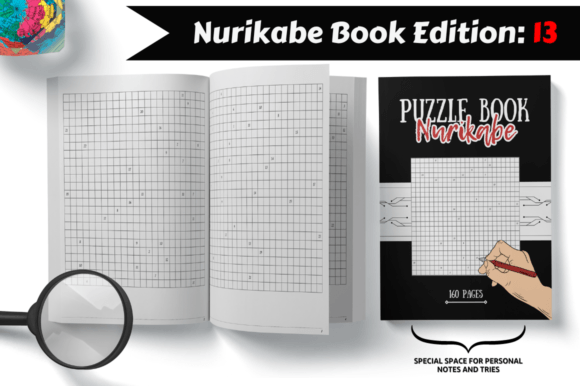
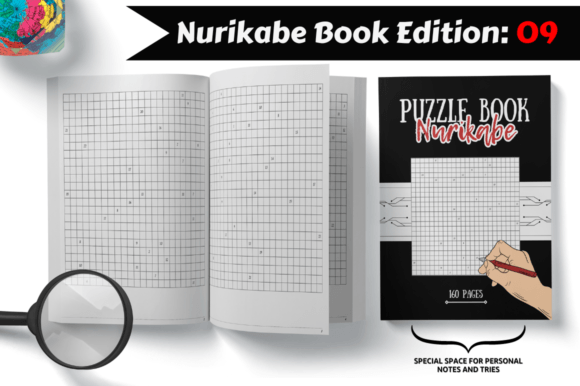
At its core, this is a meticulously prepared 160-page PDF interior file formatted at a generous 8.5×11 inches, created specifically for Amazon KDP uploads. You get exactly 80 pages of original Nurikabe puzzles and a matching 80 pages of solutions—so every single puzzle has its answer clearly mapped out. But this isn’t a bare-bones grid dump. The layout has been carefully designed for readability, with consistent spacing and clean visual cues that help solvers focus on the logic rather than squinting at cramped islands and cells. Alongside the interior, you also receive a professional PDF cover file and an Excel spreadsheet loaded with keyword phrases that make your listing more discoverable.
Think of it as a plug-and-play publishing asset. Rather than spending weeks formatting cells in InDesign or double-checking that every puzzle actually has a unique solution, you open the files and go. For anyone who has ever tried to manually create a puzzle book interior, that alone is a sanity-saver.
Finding Your Audience: Who Is Actually Buying Nurikabe Books?
Before publishing, it helps to picture the person on the other side of the screen. Nurikabe solvers tend to be methodical, patient, and drawn to pattern recognition. They might be professionals who work in data, design, or engineering and enjoy puzzles that mirror the kind of structural thinking they use during the day. They could be retirees keeping their minds sharp, or university students looking for a screen-free way to decompress between study sessions. And increasingly, adults in their 30s and 40s are rediscovering logic puzzles as a form of mindfulness practice—something that occupies the brain just enough to silence background noise without triggering the stress of a competitive game.
With the Nurikabe Puzzle Book for KDP Part 09, you’re not guessing whether the difficulty curve will alienate a beginner or bore an expert. The variety inside spans approachable warm-up grids and progressively more demanding layouts, which means your book can appeal across that entire spectrum. That’s the sweet spot for a KDP title: wide enough appeal to generate organic interest, specific enough that customers know exactly what they’re getting.
1. The Weekend Side-Hustler Launching a No-Stress KDP Business
Maybe you’ve been curious about passive income through print-on-demand books but felt overwhelmed by the design work. Puzzle books are a proven niche with steady demand, and Nurikabe sits in a Goldilocks zone—popular enough that people search for it, not so saturated that you get lost in a sea of identical products. By using a ready-made interior and cover, you skip the steepest part of the learning curve. You download the files, adjust your title and branding if needed using tools like Canva or Photoshop, and upload directly. Within a day, you can have a professional-looking paperback live on Amazon. For people testing the waters of KDP, that speed matters. It means you can validate the market without investing months of effort into a single title.
2. The Experienced Publisher Expanding Their Catalog Strategically
If you already have a portfolio of puzzle books, activity books, or niche journals, adding a Nurikabe title diversifies your offerings without fragmenting your brand. Because the files arrive clean and unmarked, you can apply your own consistent branding—fonts, header styles, subtle color accents—and make the book feel like a natural extension of your existing line. Having multiple puzzle types under the same brand builds trust. A customer who bought your Sudoku book might return for your Nurikabe collection if they associate your layout with comfort, clarity, and a pleasant solving experience.
3. The Small Business Owner Creating Custom Gift or Promotional Material
Here’s a less obvious but powerful use case. Small businesses in hospitality, wellness, or education sometimes produce branded activity books as client gifts, in-room amenities, or workshop materials. A yoga retreat, for example, might include a custom puzzle book in a welcome kit. A counseling practice might offer logic puzzles as part of cognitive wellness resources. Because the Nurikabe Puzzle Book for KDP Part 09 is delivered in a standard format, you can adapt it for these purposes. Add a short introduction, insert your logo, and you’ve created something thoughtful that doesn’t feel like an advertisement. That kind of subtle, value-driven branding can leave a lasting impression far beyond a business card.
4. The Educator or Workshop Facilitator Using Puzzles as a Teaching Tool
Nurikabe isn’t just a pastime—it’s a wonderful way to teach deductive reasoning, spatial awareness, and logical progression. High school math teachers, university logic instructors, and even corporate trainers running problem-solving workshops have turned to grid-based puzzles as icebreakers or group exercises. Having a clean, printable 8.5×11-inch file means you can photocopy individual puzzles for classroom distribution without reformatting or fighting messy margins. The included solutions let facilitators check student work quickly, turning a puzzle session into an efficient learning activity rather than a logistical headache.
What Makes a Puzzle Book Feel Good to Solve—and Why This One Gets It Right
The experience of solving a Nurikabe puzzle lives or dies by the layout. When grids are too small, cells become ambiguous. When spacing is inconsistent, your eye mistakes streams for walls. When line weights vary, the whole logic feels off-balance. The designer behind this series clearly understands those pitfalls. Each page gives the solver plenty of white space, so there’s room to mark cells, shade islands, or jot down deductions without cramping. The solution pages mirror the puzzle pages in scale and positioning, which sounds minor but dramatically reduces friction when someone flips back and forth to verify a tricky corner.
Another subtle strength is the absence of clutter. Some puzzle books try to cram four or six puzzles onto a single page. That can work for pocket-sized travel books, but for a standard 8.5×11-inch format, having one or two well-spaced puzzles per page feels luxurious. It signals quality. And in a market where many KDP puzzle books are thrown together algorithmically, that signal matters. Customers leave better reviews. They buy sequels. They recommend the book to friends.
Navigating the KDP Landscape with the Included Keyword Spreadsheet
One of the quiet frustrations of KDP publishing is the keyword and category dance. You can have a brilliant book that nobody finds because your metadata doesn’t match the phrases customers actually type into Amazon’s search bar. The Excel spreadsheet included with this package takes a lot of that guesswork away. It’s not just a random list of words—it’s curated around Nurikabe and adjacent puzzle terms that real shoppers use. Terms like “island logic puzzle book,” “Japanese grid puzzles for adults,” or “island-building brain teasers” may not occur to a first-time publisher, but they’re exactly the kind of long-tail phrases that drive steady, low-competition traffic.
Of course, no keyword list is a magic wand. You’ll still need to weave those terms naturally into your product description, your back-cover copy, and your A+ content if you use it. But having them organized and ready means you spend less time researching and more time refining your actual listing. For someone managing multiple titles, that efficiency compounds quickly.
Practical Considerations Before You Publish
Using a pre-made interior like the Nurikabe Puzzle Book for KDP Part 09 is straightforward, but a few thoughtful steps will elevate your final product. First, always proof a printed copy before hitting publish. Even the best-designed PDF can reveal alignment quirks or margin differences on paper. KDP’s print preview is helpful, but holding a physical book in your hands is the real test. Second, consider your trim size and paper selection carefully. The files are designed for 8.5×11 inches, which works beautifully for a large, easy-to-read puzzle book. Just ensure your KDP dashboard matches that setting to avoid scaling issues.
Third, think about the customer journey. Who is buying this book and why? If you’re targeting grandparents looking for screen-free activities, your cover and description should emphasize clarity, relaxation, and cognitive stimulation. If you’re targeting seasoned puzzle enthusiasts, highlight the escalating difficulty and the uniqueness of the puzzles. The interior stays the same; the way you frame it changes everything. Finally, remember that this is Part 09 of a broader series. That means you can cross-promote within your catalog, creating a natural funnel of repeat buyers who collect your puzzle volumes.
Where This Approach Works Best—and Its Natural Limits
This toolkit shines brightest for solo entrepreneurs, small publishers, and niche content creators who value speed and quality over absolute customization. If you want to tweak a few design elements, add a personal foreword, or integrate the puzzles into a larger template, the files give you that flexibility. If, on the other hand, you require a fully bespoke, hand-illustrated puzzle aesthetic with custom grid styles and artistic shading throughout every page, you may need to commission original work. That’s not a flaw; it’s a trade-off. The value here is in the carefully constructed puzzles themselves and the thoughtful, solver-friendly layout—not in ornate decorative elements that might distract from the logic.
Similarly, if your audience skews toward very young children, you might need larger print, more visual scaffolding, or instructional diagrams embedded in every page. This collection is written for adults and older teens comfortable with a concise rule set. That said, many families solve puzzles together, parent and child side by side, and this format works beautifully in those shared moments.
Turning a Single Title into a Long-Term Asset
A Nurikabe Puzzle Book isn’t just a one-time transaction. Done well, it becomes a recurring source of royalties and a brand-building tool. Customers who finish one volume often search for the next. By using a consistent series framework—Part 09 naturally suggests there’s more to explore—you create anticipation. You can build a dedicated author page, compile a bundle, or run limited-time promotions that drive visibility across your entire catalog. The keyword spreadsheet also gives you a foundation for running Amazon Ads with a tighter, more intentional targeting strategy, because you already know the language your ideal customers use.
Puzzle publishing on KDP sometimes feels like a crowded space, but there’s always room for products that genuinely respect the end user. When you offer someone a quiet hour with a cup of coffee, a pencil, and a beautifully laid-out grid that makes their brain hum in the best way, you’re not just selling paper and ink. You’re selling a small, restorative escape. That’s a product that people come back to, and it’s the reason a well-crafted interior like the Nurikabe Puzzle Book for KDP Part 09 can become a quiet, dependable foundation for your publishing efforts.