Master Your Nutrition with the Daily Meal Planner Printable Template
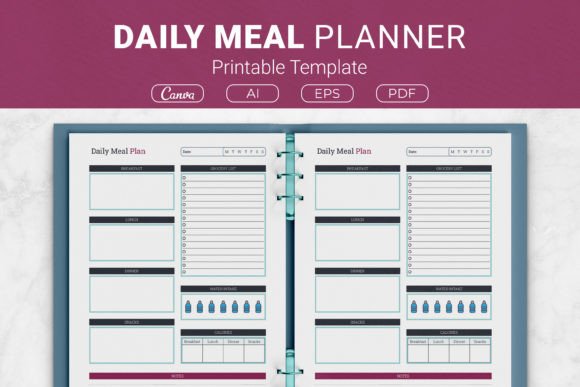
Meal planning feels like a superpower once you get the hang of it, but most people abandon the habit within the first two weeks. The Daily Meal Planner Printable Template solves the chaos by putting every eating and fitness tracking element on a single, thoughtfully designed page. You get dedicated sections for breakfast, lunch, dinner, snacks, a running grocery list, water intake markers, a calorie log, and an open notes area. It sounds simple—and it is—but simple rarely means foolproof. Many enthusiastic beginners misuse the template, overlook its best features, or let perfectionism turn a helpful tool into another source of stress. Let’s walk through the most common missteps, what they cost you, and how to use this planner the way it was intended so you actually save time, eat better, and hit your goals.
Why a Printable Planner Trumps a Standalone App
Digital meal tracking apps are everywhere, and many people assume an app is automatically more convenient than paper. That assumption often backfires. The Daily Meal Planner Printable Template lives on your refrigerator, inside a binder, or on a home office clipboard—meaning you see it every time you reach for the cabinet. Apps get buried under notifications and require unlocking, opening, and tapping through screens. The friction is subtle but real. When you print this template, you eliminate screen fatigue and create a single source of truth that doesn’t run out of battery. You can scribble adjustments quickly, highlight the grocery list, and physically check off water glasses. This tactile rhythm reinforces accountability in ways a push notification rarely does. Don't ditch your nutrition app if you love it, but treat the printable as your primary daily anchor, not an afterthought.
Filling Only the Meal Boxes and Ignoring the Health Trackers
The breakfast, lunch, dinner, and snack slots are the most visible parts of the template, so they tend to hog all the attention. Many users jot down meals and call it done, leaving the water intake tracker and calorie counter blank. That narrow focus might organize your menu, but it completely disconnects eating from the rest of your wellness goals. If you routinely skip the water tracker, you might not realize that afternoon fatigue or cravings aren't hunger—they're mild dehydration. The calorie tracker, even when used informally, reveals patterns like weekend overeating that offset weekday discipline. A better approach: fill the meal sections first, then immediately circle your water target for the day and write a provisional calorie estimate next to each meal. Treat those fields as equals, not optional extras.
Hoarding the Grocery List Without a Matching Strategy
The grocery list section is a game-changer for reducing food waste and impulse buys, but a common mistake is to scribble ingredients in a chaotic stream as meal ideas pop into your head. You end up with duplicates, forgotten staples, or items you already have. This turns a quick shopping trip into a second mental load. Instead, use the meal boxes to plan backward: first decide what you'll eat tomorrow or for the next three days, then transfer only the missing ingredients to the grocery list. Group similar items if you have space—dairy together, produce together—so you breeze through the store. The small discipline of connecting meal decisions to the list ensures you never stand in the aisle wondering whether you needed Greek yogurt.
Treating the Notes Section Like Scrap Paper
The open notes area is the most underused real estate on the page. People scribble random reminders or leave it blank entirely. That’s a missed opportunity. This space is perfect for jotting down a new recipe you want to try, noting how a meal made you feel (bloated, energetic, still hungry), or listing dietary restrictions for the day if you’re cooking for someone with allergies. Over a week, those tiny observations become a personalized database. You might discover that a high-carb lunch kills your afternoon focus, so you can shift that meal earlier or swap it. Use the notes like a mini food journal without the pressure of a full diary entry. A single line can be enough.
Choosing the Wrong Size for Your Intended Use
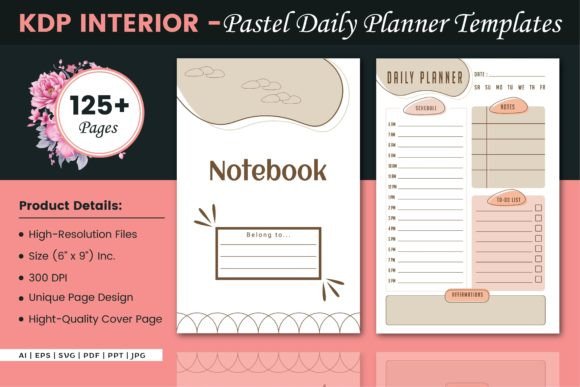
The Daily Meal Planner Printable Template comes in four sizes—US Letter, A4, 7.5 x 9.25 inches, and 6 x 9 inches—and people often grab the default US Letter without thinking. The size you pick directly impacts usability. If you plan to three-hole punch and store the sheets in a household binder, US Letter or A4 are ideal because they fit standard binders and leave generous writing room. The 7.5 x 9.25-inch size works beautifully for a standalone desk planner or a Happy Planner discbound system. The 6 x 9-inch option is specifically designed for Kindle Direct Publishing interiors, meaning you can turn your meal plans into a published journal or a low-content book for sale. Before you print, ask yourself where this page will live. A cramped planner that doesn’t fit your binder will get lost in a drawer. Match the size to the format you’ll actually use.
Ignoring the File Format Variety Until It’s Too Late
This template package includes AI Illustrator files, EPS, ready-to-print PDFs, and a Canva template link. Many purchasers open the PDF, print, and forget the rest—until they want to tweak colors, add a logo, or create a branded version for clients. Then they panic because they don't have Illustrator. The Canva link is your safety net. You can edit the template online without any design software, adjusting fonts, meal labels, or even the color scheme to match your kitchen decor. The AI and EPS files are there for professional designers who want full control, but the everyday user will get the most mileage from the PDF and Canva combination. Check that you have a free Canva account ready, and don’t delete the link email. This small preparation saves you from recreating a perfectly good layout from scratch.
Setting Unrealistic Calorie and Water Targets Right Out of the Gate
When you first fill in the calorie tracker, the temptation is to put an aggressive deficit number or a “perfect macros” goal you saw on social media. The same happens with water—someone adds ten glasses because an influencer said so. Within days, you feel like you’re failing a test you never needed to take. The tracker then becomes a source of shame instead of a neutral log. A helpful corrective: use week one purely for observation. Record what you naturally eat and drink without changing anything. At the end of that week, look at averages and set a realistic shift—maybe one extra glass of water and 100 fewer calories from a specific snack. The Daily Meal Planner Printable Template works best as a mirror, not a drill sergeant. Gradual progress keeps you engaged; extreme targets burn you out.
Neglecting Print Quality and Binding Basics
Printing on the cheapest paper with a fading inkjet cartridge can make the whole experience feel amateur and disposable. If the page tears easily or the text smudges, you won’t reach for it tomorrow. Invest in slightly heavier paper, at least 24 lb or 90 gsm, so it holds up to erasing and fridge magnets. If you’re putting multiple days in a binder, consider a clear sheet protector and use a wet-erase marker to reuse the same template — a smart sustainability hack. For KDP creators, always test print the 6×9 template at actual size, check the margins, and ensure the calorie and water trackers aren’t cut off. Print quality directly affects user satisfaction, whether you’re planning for yourself or publishing a low-content book for customers.
Overcomplicating the Meal Slots Until You Dread Planning
Some people turn every meal box into a full recipe with measured grams and multiple sub-steps. The planner becomes a sixty-minute chore. Before long, they skip a day, then a week. The intention is good — detail feels responsible — but the execution kills momentum. Instead, use shorthand that you understand. “Grilled chicken + quinoa + broccoli” is enough. The snack slot can simply read “apple + almond butter”. If a meal needs a recipe, write the name and put a quick reference in the notes section or the page margin. The goal is forward motion, not culinary school documentation. The Daily Meal Planner Printable Template should reduce decision fatigue, not add a new form of it.
What to Verify Before You Commit to Any Printable System
Before you print dozens of copies or list a planner on KDP, do a quick audit. Check that the template aligns with your actual eating schedule — if you’re an intermittent faster who skips breakfast, the layout still works but you’ll use the breakfast slot for an alternative or simply leave it blank. Make sure the water intake tracker matches your typical bottle size; you might adapt it by writing “1 bottle = 2 marks”. Confirm that you have a dedicated place to store filled-out pages so you can look back for patterns. Finally, if you’re offering this as a product, review the Canva template license terms if you modify it for resale, though the included commercial-friendly files are tailored for low-content publishing. A ten-minute check prevents hours of rework later.
This planner isn’t just a to-do list for meals. It’s a compact command center where your nutrition, hydration, shopping, and personal observations live in harmony. When you avoid the trap of using only half the page, choose the right size and paper, and keep your tracking honest rather than punishing, the Daily Meal Planner Printable Template becomes a quiet engine for healthier days. Start with a single week, keep a light pencil nearby, and let the template remind you that good habits are built one filled-in box at a time.