Evaluating the Mine Finder Puzzle Book for KDP Part 02: A Practical Look at Content, Tools, and Fit
Puzzle books continue to hold a steady place in the self-publishing world, especially for those building portfolios on Amazon's Kindle Direct Publishing platform. Among the ready-to-use interior options available to creators, the Mine Finder Puzzle Book for KDP Part 02 has attracted attention for its structured layout and complementary support materials. Understanding what it offers, where it excels, and who might benefit from a different approach can help you decide if this product matches your publishing goals.
What Exactly Is Included in This Puzzle Book Package
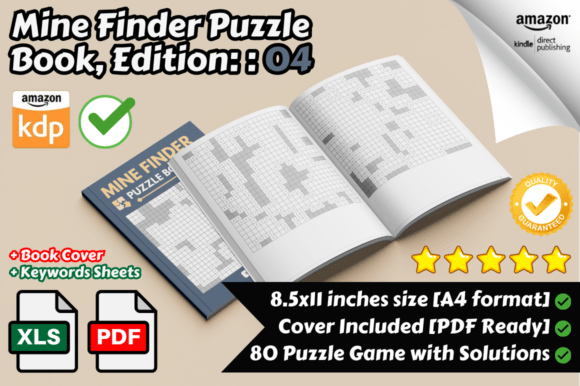
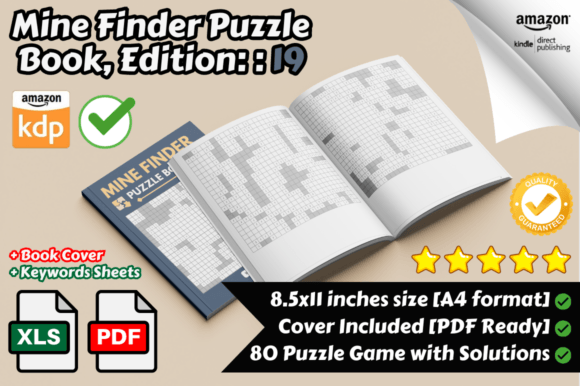
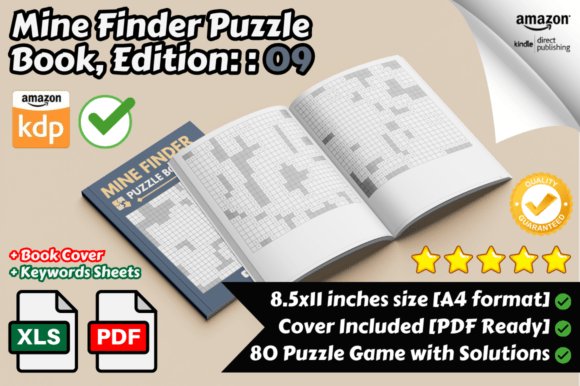
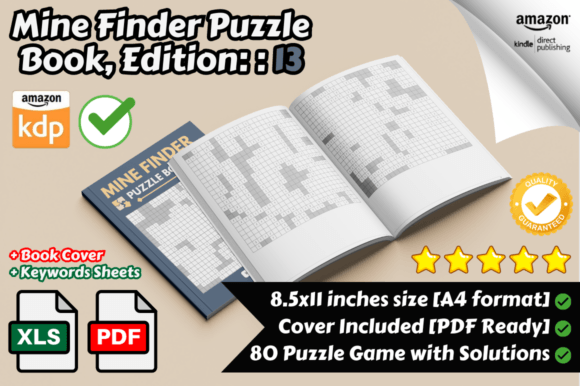
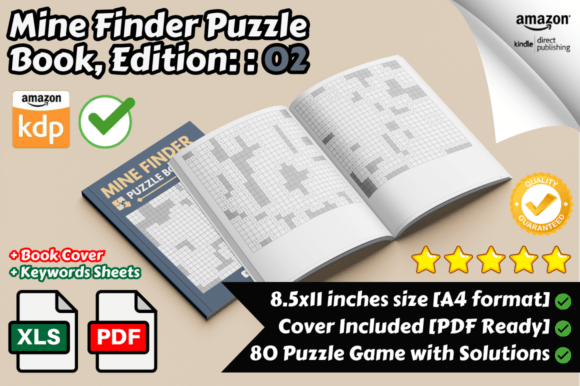
At its core, the Mine Finder Puzzle Book for KDP Part 02 is a collection of puzzle pages designed for easy integration into a self-published book. The package includes a PDF interior file spanning 160 pages in an 8.5 by 11 inch format, a standard trim size that fits many print-on-demand specifications. Half of those pages contain puzzles, while the other half provide solutions, which addresses a common reader expectation for verification and assistance.
Beyond the interior, the product bundles a PDF cover file and Excel spreadsheets populated with keywords. For someone new to KDP, the cover file offers a pre-designed aesthetic that can reduce the time spent on graphic design. The keyword spreadsheets, meanwhile, aim to assist with discoverability on Amazon's marketplace by supplying search terms relevant to logic puzzles, brainteasers, and similar categories. This combination of design and marketing elements makes the package more than just a set of puzzle grids.
Why This Type of Product Appeals to KDP Publishers
Publishers gravitate toward puzzle books for several practical reasons. They typically require minimal upfront writing compared to fiction or non-fiction manuscripts, and they attract a dedicated audience of hobbyists who enjoy mental challenges. The Mine Finder Puzzle Book for KDP Part 02 fits squarely into this niche, offering a repeatable format that can be branded, modified, or published as is. For publishers aiming to expand their catalog quickly, pre-assembled interiors like this one remove a significant bottleneck: the puzzle design phase.
Additionally, puzzle books can generate consistent sales through series branding. Someone who completes one volume and enjoys the challenge may seek out additional editions. The "Part 02" designation suggests continuity, which can encourage return purchases if readers respond well to the puzzle style and difficulty curve.
Evaluating the Puzzle Content and Difficulty Balance
One of the central considerations when assessing any pre-made puzzle book is the quality and consistency of its puzzles. The Mine Finder Puzzle Book for KDP Part 02 positions itself as a versatile experience, suitable for a broad age range. This inclusivity can be a strength if your target market is wide, but it may also signal a moderate difficulty level that does not extend into highly advanced territory. For casual puzzle solvers, this balance often works well. For dedicated enthusiasts seeking extreme cognitive tests, the challenge may feel restrained.
The puzzles resemble logic grid variants akin to Minesweeper-inspired challenges, where deductive reasoning leads to the correct placement of markers. This format rewards methodical thinking rather than guesswork, appealing to readers who enjoy structured problem-solving. The inclusion of solutions is a practical touch, particularly for puzzles that require sequential reasoning. Without a way to verify steps, frustrated readers might abandon the book or leave negative reviews, something that the solution pages help mitigate.
Formatting, Print-Ready Considerations, and Potential Adjustments
The 8.5 by 11 inch layout is a common choice for activity books, providing ample space for puzzle grids and marginal notes. When preparing the file for KDP, you may need to adjust margins, add bleed where necessary, or insert a title page and copyright information to meet Amazon's requirements. The Mine Finder Puzzle Book for KDP Part 02 provides a starting point, not a fully formatted KDP manuscript in every case. Understanding this distinction matters. If you are comfortable making minor tweaks in a PDF editor or using tools like Canva to overlay branding, the product can accelerate your workflow considerably.
Another factor involves font embedding and image resolution. The source files should retain clarity when printed, especially on cream or white paper stock. Checking the interior PDF for sharpness before uploading can help avoid returns caused by illegible puzzle elements. While many premade interiors meet quality standards, verification remains a prudent step in your production process.
Weighing the Benefits of Bundled Marketing Resources
A notable aspect of this package is the inclusion of Excel spreadsheets with keywords. For publishers who understand niche optimization but want a head start, these keyword lists can sharpen Amazon backend search terms. Effective keyword selection influences how a book surfaces in searches for terms like "logic puzzle book," "brain teaser activities," or "deduction puzzles." The spreadsheets may also inspire related product titles, subtitle ideas, or categories to explore during the publishing workflow.
However, keyword research is dynamic and influenced by marketplace trends. While a supplied list provides an initial advantage, supplementing it with your own research using tools like Publisher Rocket or Helium 10 can refine your targeting further. Relying exclusively on provided data may limit your ability to adapt as search behavior evolves. Think of the spreadsheets as a helpful launchpad rather than a permanent replacement for ongoing keyword analysis.
Cover Design and Visual Appeal on a Crowded Marketplace
The PDF cover file adds value by offering a cohesive visual identity that aligns with the puzzle genre. A polished cover communicates professionalism and can improve click-through rates in search results. That said, using a pre-made cover carries both opportunity and risk. If multiple publishers use the same unaltered cover, differentiation diminishes. Customizing the cover with a unique subtitle, color adjustments, or your own branding elements can help your version stand out while retaining the core design structure.
Consider the expectations of puzzle book readers. Bright, clear covers with prominent puzzle imagery often perform well. If the supplied cover matches those conventions, it may serve as an effective asset. If it feels generic, investing additional time in personalization could yield better long-term visibility.
Who Is a Strong Candidate for This Product
The Mine Finder Puzzle Book for KDP Part 02 aligns particularly well with individuals or small teams looking to publish quickly without extensive puzzle-creation experience. If your primary goal involves building a catalog of activity books under a consistent brand, the ready-made interior and cover accelerate the process. It also suits those testing the puzzle book niche, since the initial investment is lower than commissioning custom puzzles from a designer.
Additionally, if you value having solution pages integrated from the start, this product addresses that need directly. Many puzzle books skimp on solutions, but this package dedicates half its page count to them, which can improve reader satisfaction and reduce negative feedback about missing answer keys.
When Exploring Other Options May Make Sense
Some publishers may find that pre-made interiors feel restrictive. If you aim to create highly distinctive puzzles with a signature style or thematic narrative, custom puzzle design grants greater control over difficulty progression, visual layout, and puzzle variety. The Mine Finder Puzzle Book for KDP Part 02 centers on a specific puzzle type, which limits cross-genre appeal within a single volume. If your audience expects assorted puzzle formats, such as crosswords, word searches, and Sudoku-style challenges in one book, a more varied interior might serve them better.
Cost considerations also come into play. While ready-made interiors often seem economical, evaluating long-term sales potential against the one-time purchase price reveals the true value. If the puzzle style resonates with a broad audience, the return may justify the cost. If the niche proves competitive and sales remain modest, the economics shift. Testing a single volume before committing to a series can help you gauge market response without overextending resources.
Practical Steps Before Publishing Your Edition
Before uploading your version to KDP, several validation steps can improve the outcome. First, review the interior PDF thoroughly for any formatting quirks that might confuse print-on-demand processing. Check page numbering, ensure puzzle grids remain intact near margins, and verify that solution pages correspond correctly to their puzzles. Second, consider adding a brief introduction or instructions page that explains how Mine Finder puzzles work, especially if first-time solvers might pick up the book. This small addition can lower the barrier to entry and increase reader retention.
Third, test a proof copy through KDP's print preview and order a physical proof when possible. Seeing the final product in hand reveals nuances that digital previews cannot, including paper quality interaction, contrast levels in gray areas, and overall tactile appeal. Adjusting ink density or background shading may enhance readability for puzzlers who prefer strong contrast.
Integrating This Product into a Broader Publishing Strategy
Rather than treating the Mine Finder Puzzle Book for KDP Part 02 as a one-off release, you might position it within a themed series. Creating volumes with escalating difficulty, seasonal covers, or companion editions targeting specific age groups can multiply your catalog's reach. The keyword spreadsheets can inform your approach across multiple books, helping each title target slightly different search queries and audiences.
Puzzle books also pair well with other low-content or medium-content formats, such as journals, planners, and coloring books. If you already publish in those categories, adding puzzle editions diversifies your income streams while leveraging similar production workflows. The shared trim size and formatting conventions make this integration smoother than introducing an entirely new product type.
Making an Informed Decision That Matches Your Goals
Choosing whether to invest in a product like this depends on your capacity for puzzle creation, your timeline, and your vision for the final book. The Mine Finder Puzzle Book for KDP Part 02 offers structure, consistency, and supplemental tools that can shorten the path from concept to publication. Its strengths lie in organization and completeness, particularly the solution integration and marketing aids. At the same time, acknowledging its limitations around puzzle variety and customization helps set realistic expectations.
If your publishing model thrives on efficiency and volume, this package can serve as a foundation. If creative differentiation drives your brand, you may still draw inspiration from its layout while pursuing more personalized puzzle content. In either scenario, understanding the product's exact composition enables you to allocate your time, creativity, and budget toward the elements that matter most to your readers and your publishing vision.