Customizing Your KDP Journal Covers with Canva: A Deep Dive into Floral Colorful Designs and Editable Templates
Self-publishers and creative entrepreneurs exploring the low‑content book market on Amazon KDP quickly learn that cover design can make or break a journal’s visibility. With thousands of options in any given niche, a well‑crafted, eye‑catching cover is more than a nice addition — it’s a silent salesperson. For many, Kdp Journal Canva Editable resources have become a practical bridge between expensive custom work and generic, one‑size‑fits‑all solutions. One of the most striking applications of this concept is the Journal Cover Floral Colorful collection, where vibrant, layered botanicals meet editable templates that put creative control directly into your hands. This article unpacks what these editable design assets actually offer, how they compare to other cover‑creation paths, and when they might — or might not — be the smartest choice for your publishing workflow.
What Makes a Kdp Journal Canva Editable Resource Different
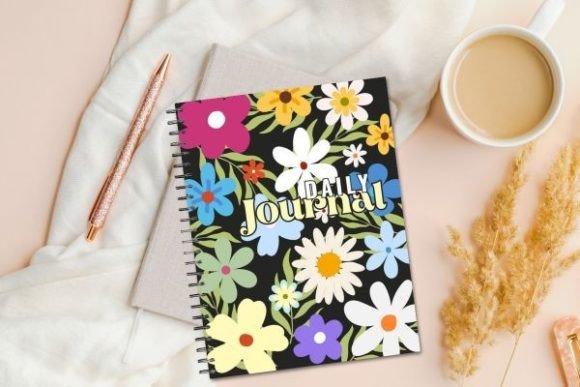
At its core, a Kdp Journal Canva Editable template is a pre‑designed cover layout built inside Canva, ready for you to personalize. Unlike a static JPEG or a PDF that can’t be modified, these files let you change text, adjust color elements, swap background images, or tweak typography without ever leaving your browser. The Journal Cover Floral Colorful collection mentioned earlier is a prime example: you might receive a template featuring a lush bouquet of roses, peonies, and wildflowers in a warm palette, with placeholder titles and a spine. Because the file is native to Canva, you can replace “Inspirational Quotes” with your own title, shift the flower arrangement slightly, or even swap the color scheme to cooler violets if that better suits your brand.
The key distinction here isn’t just editability — it’s the blend of professional design structure and user‑friendly flexibility. Instead of starting from a blank canvas or wrestling with layered Photoshop files, you begin with a cohesive visual concept that already handles proportion, typography hierarchy, and print‑safe margins. For journal creators who aren’t professional graphic designers but still want a polished, high‑conversion cover, this approach collapses the learning curve significantly.
How Canva Editable Covers Compare to Other Common Approaches
When evaluating how to get your journal cover ready for KDP, you typically face four broad paths. Understanding where Kdp Journal Canva Editable fits among them helps ground your decision in practical tradeoffs.
Fully custom design from a freelancer or agency. This gives you a completely original, one‑of‑a‑kind cover with unlimited creative freedom. However, even a modest custom cover can cost anywhere from $75 to several hundred dollars, and revision cycles take time. If you plan to publish multiple journals across related niches, those costs multiply quickly. Editable Canva templates, by contrast, often cost a fraction of that per design and can be reused or adapted almost instantly.
Pre‑made static covers (non‑editable). These are the “what you see is what you get” options. You might find a gorgeous watercolor floral cover, but the title is baked in and you can’t change it. This locks you out of any personalization or branding. For some quick, one‑off projects this can work, but the moment you need to make even a small tweak — adjusting the subtitle to match interior content, or changing the author name font — the design becomes unusable. Editable templates remove that rigidity entirely.
Building from scratch using Canva, Photoshop, or Illustrator. This offers total control but demands solid design skills and a significant time investment — often several hours per cover, not counting the inevitable iteration. Many self‑publishers underestimate how long it takes to get typography, color balance, and print‑resolution settings right. A well‑constructed Kdp Journal Canva Editable template handles the heavy lifting of layout and composition, letting you focus on strategic tweaks rather than foundational design decisions.
Using Canva’s own free library of templates. While Canva offers a vast collection of starter designs, they are generic by nature and used by millions of people. The floral templates available there may lack the niche‑specific attention or the intricate, layered quality of a dedicated collection like the Journal Cover Floral Colorful set. Moreover, many of Canva’s free elements have usage restrictions on printed products, whereas a thoughtfully assembled editable pack often comes with clear commercial use rights for KDP — an important legal nuance.
Strengths That Make the Floral Colorful Concept Work So Well
Looking more closely at the vibrant floral niche, the Journal Cover Floral Colorful collection exemplifies several strengths that any good Kdp Journal Canva Editable resource should bring to the table.
- Instant brand coherence. The rich botanicals, balanced composition, and varied color palettes give you a series that feels curated, not thrown together. If you plan to launch a line of journals — say, a gratitude journal, a dream journal, and a self‑care planner — you can maintain visual continuity while customizing each title.
- Emotional appeal. Flowers and vibrant hues evoke warmth, creativity, and positivity — emotions that align perfectly with many journaling niches for women, wellness, and personal growth. The designs are already optimized for audience connection, reducing guesswork.
- Speed to market. Because the heavy design lifting is done, you can finalize a cover in under 30 minutes. That agility matters when testing multiple journal interiors or entering a trending seasonal niche quickly.
- Print‑ready foundation. Well‑built templates are set to KDP’s trim size and bleed specifications from the start. You avoid common rejection errors caused by small text too close to the edge or incorrect spine width calculations.
Tradeoffs and Limitations Worth Acknowledging
No design approach is without its downsides, and being aware of them prevents later frustration. The most important limitation is that a template, no matter how beautiful, may be sold to other publishers as well. If another KDP author uses the same floral base without changing much, you could theoretically end up with identical‑looking covers in the same niche. This is a manageable risk — you can differentiate by customizing colors, swapping the main flower, changing font combinations, or adding a subtle overlay — but it’s something to weigh if absolute uniqueness is a priority.
There’s also a learning curve with Canva itself. While the tool is intuitive, understanding how to lock background layers, export in CMYK for print (with a Pro account), or adjust elements without breaking the composition takes practice. Users completely new to Canva should budget a little time to become comfortable. Additionally, some templates may incorporate Canva Pro elements that require a paid subscription to export without watermarks — an ongoing cost to factor into your publishing budget.
Finally, if your journal concept demands something highly avant‑garde or photorealistic, a floral template might feel stylistically confining. The vibrant, colorful aesthetic is perfect for niches like bohemian planners, art therapy journals, or garden‑inspired notebooks, but less suited to a minimalist, monochromatic corporate journal. Recognizing that fit matters is key.
When a Kdp Journal Canva Editable Template Is the Clear Choice
Consider an example: a life coach wants to release a 90‑day positivity journal as a supporting resource for her clients. She needs a cover that reflects energy and optimism, can be branded with her logo, and should be ready in two days. Starting from a static cover would force her to sacrifice personalization; hiring a designer would blow her timeline and budget. Instead, she grabs a floral template from a Kdp Journal Canva Editable bundle, changes the color accents to match her brand’s coral and gold, adds her name as author, and exports a print‑ready PDF. The cover looks custom‑made, resonates with her audience, and launches fast.
This scenario highlights the ideal sweet spot: a clear visual direction, moderate customization needs, a desire for affordability, and a timeline that favors speed over exhaustive originality. Other best‑fit situations include:
- New KDP publishers testing low‑content niches without a large upfront investment.
- Creators who publish journal series and want a cohesive aesthetic across multiple titles.
- Anyone who values the ability to A/B test covers quickly (swap patterns, change color temperatures) based on market response.
- Publishers in gift‑oriented or seasonal niches, where frequent refreshes are expected.
When You Might Need a Different Approach
On the other hand, there are times when a pre‑designed Canva template — even a highly flexible one — may not serve your long‑term goals. If you are building a brand that depends on a completely unique, trademark‑ready visual identity, starting with a widely available template can dilute that effort. A cover that becomes synonymous with your brand should ideally be something no other publisher can replicate, even upon close inspection. In such cases, a custom commission or an original design you create from scratch using assets you own outright is more appropriate.
Similarly, if your journal concept calls for a complex, multi‑layered cover that involves advanced illustration, heavy photo compositing, or effects that exceed Canva’s editing capabilities, you may quickly hit a wall. While Canva is powerful, it isn’t a full‑fledged raster or vector editor. Publishers willing to invest time in learning Affinity Publisher or Adobe InDesign, and who need complete control over every pixel, may find editable templates too restrictive.
Licensing considerations can also prompt a shift away from Kdp Journal Canva Editable products. While most reputable template sellers grant commercial use for printed journals, the rights may not extend to unlimited digital distribution or to reselling the template itself. Read the license carefully: if you plan to create derivative products beyond KDP print, such as selling the design as part of a digital planner, the usage terms may not cover that. In ambiguous situations, a custom design with a clear, broad license is safer.
Making an Informed Decision: Factors to Evaluate
Whether you’re drawn to the vivid charm of a Journal Cover Floral Colorful collection or a different editable style, walking through a simple decision framework can clarify your next step:
- Design flexibility vs. structural guardrails. Do you need complete freedom or would you benefit from a guided, semi‑custom approach? Editable templates strike a middle ground — not total freedom, but enough room to make the cover distinctly yours.
- Time investment. Be honest about how many hours you can realistically devote to cover creation. A Kdp Journal Canva Editable template typically slashes design time by 70 to 80 percent compared to building from scratch, while still allowing meaningful personalization.
- Budget reality. Custom covers can easily exceed $200 per design. A high‑quality editable template pack with multiple variations might cost under $30 and serve several projects. Consider your current publishing volume and projected return on investment.
- Canva proficiency. If you already use Canva daily for social media or marketing, adapting an editable journal cover feels nearly effortless. If you’re new, the learning curve is modest but real. Factor in an hour or two to explore layers, text tools, and export settings before you commit to a tight deadline.
- Licensing clarity. Always verify that the template you buy explicitly permits use on printed products sold on Amazon KDP. Some free resources or elements within Canva itself come with limitations that can cause issues later.
Putting It All in Context
There is no universal “best” way to create a KDP journal cover — only the best match for your specific skills, resources, and goals right now. Kdp Journal Canva Editable resources, especially thoughtfully composed collections like the Journal Cover Floral Colorful set, occupy a compelling middle lane between the extremes of near‑endless complexity and impersonal one‑size‑fits‑all design. For a publisher who prize creative input without a steep learning curve, who want eye‑catching results quickly, and who understand that a few smart tweaks can transform a shared template into a distinctive selling tool, this approach offers a pragmatic route to market.
At the same time, the decision shouldn’t be made blindly. Weigh the tradeoffs of exclusivity, learn the tool well enough to use it deliberately, and always consider how the template’s style aligns with your target audience’s expectations. A journal featuring vibrant, layered florals may excel in niches centered on mindfulness, creativity, and personal growth, for example, but less so in an architectural sketching notebook where sleek minimalism reigns. By evaluating these dimensions honestly, you place yourself in a position to choose — not by default, but by design.